Welcome back, everyone! From the ocean breezes of Nova Scotia to the valleys of British Columbia and the vineyards of Niagara, Canada’s wine regions are as diverse as the wines they produce.
Joining us to explore how geography shapes flavour from coast to coast to coast is the editor of Canada’s largest wine review website, Natalie MacLean! Welcome back to the show!
Before we dive into the wines, give us the big picture. What are some of the key landscapes that shape Canadian wine regions.
This is my favourite kind of geography lesson: the map is in the glass!
Canada makes extraordinary wine because we have an extraordinary land. From volcanic slopes and ocean vineyards to glacial lakebeds and coastal fog, every bottle on this table is an expression of where it was grown.
So, let’s raise our glass to this country, because what we’re tasting today is Canada itself!
We’re going to start in Ontario. Tell us about what you’ve brought from Niagara wine country.
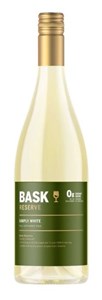
BASK Reserve Simply White VQA
Niagara, Ontario, Canada
First up, we have the BASK Reserve Simply White VQA.
BASK is Canada’s most popular wine with zero grams of sugar per glass. It’s aromatic and fresh with notes of green apple and citrus, giving it a crisp finish.
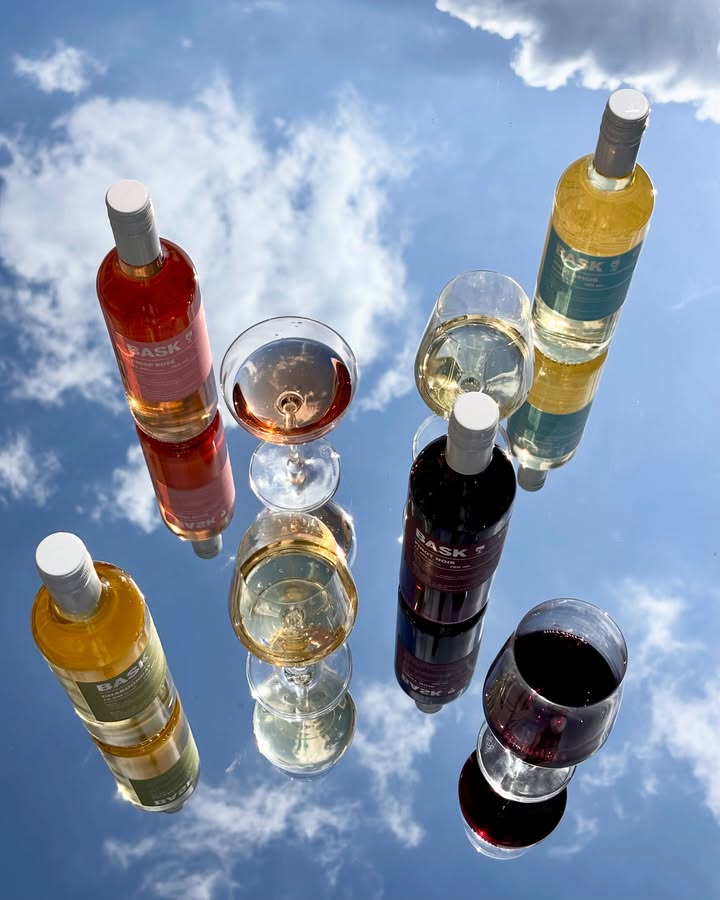
This is a new wine for BASK in their Reserve VQA line, made with 100% from locally grown Ontario grapes. It’s proof that zero sugar doesn’t mean zero pleasure.
It’s ideal for that quintessential Canadian entertaining moment when you say on the phone, “Oh just a few people” then end up moving chairs out of three rooms to the patio.
And it’s under $17, so it’s an everyday wine with premium taste.
Wouldn’t this be great with a light lemon pasta?
How does Niagara’s landscape show up in the wine?
This wine comes from Ontario’s Niagara Peninsula, where orchards of peaches and cherries bloom. Lake Ontario moderates the temperature creating a long warm growing season for both trees and vines, creating some of Canada’s finest wines.
Lake Ontario’s moderating effect and the protective elevation of the Niagara Escarpment slow grape-ripening. This preserves the racy acidity that gives BASK its crisp, lively character. It tastes alive in the glass even though it has zero sugar.
Next we’re heading out east! What wine have you brought from New Brunswick?
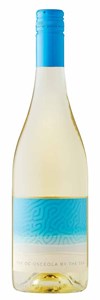
Magnetic Hill The OC Osceola By The Sea
New Brunswick, Canada
We have Magnetic Hill’s The OC Osceola by the Sea.
The winery is named for the most popular tourist attraction in Canada after Niagara Falls and The Rockies. Magnetic Hill is a natural “gravity hill” that makes cars appear to roll uphill on their own.
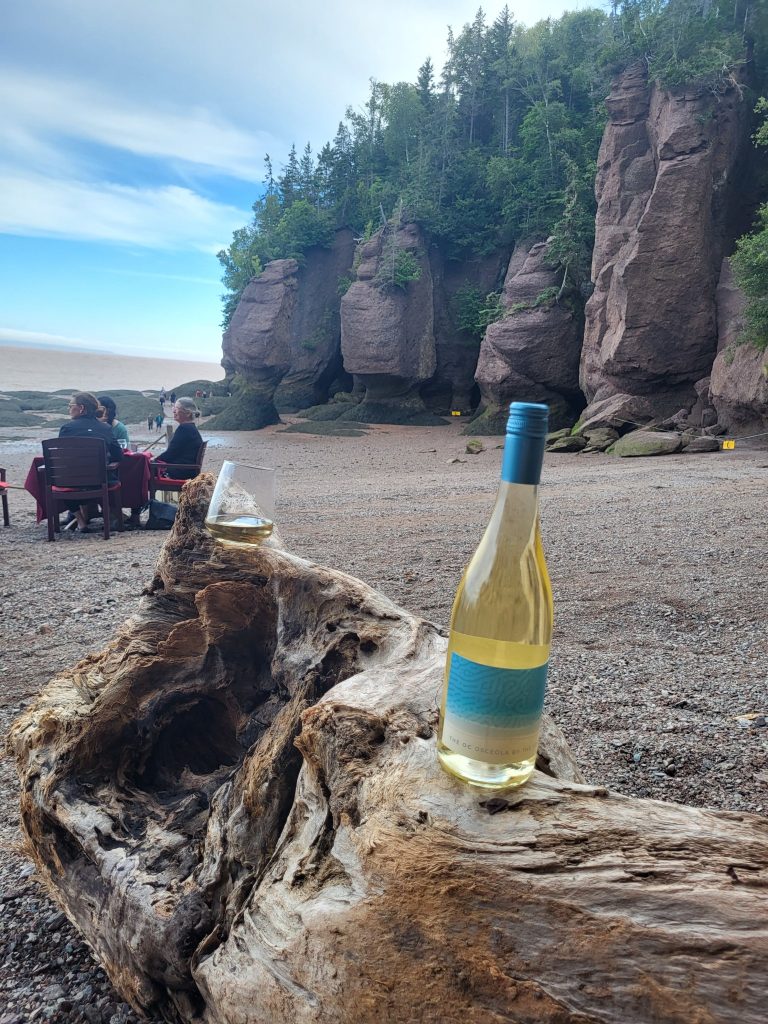
This wine just won double gold at the All-Canadian Wine Championships. That’s the wine world’s way of saying, “We checked twice, and yes, it is fabulous.”
It’s just over $20, which is extraordinary value for a double gold medal wine with this kind of coastal character.
It tastes like a sunny summer day by the water, which is perfect because when you stand in the vineyard, you’re looking at the lobster boats along the shore. Wouldn’t this be sensational with steamed lobster? What grows together, goes together.
Visiting this winery is a must: you can watch Ballet by the Ocean, enjoy a four-course meal on the ocean floor at low tide and stay at their beautifully restored 1867 guesthouse.
What makes the landscape in New Brunswick unique from a winemaking perspective?
The Northumberland Strait has the warmest beaches in Canada and the warmest ocean water north of the Carolinas. It moderates temperatures in New Brunswick’s vineyards.
It creates cooling breezes in the summer which slow grape ripening and create fresh tropical fruit flavours while also providing protective warmth in the winter.
Vineyards are elevated and planted on ancient, sandy soils which are similar to classic European growing beds.
We’re back in Ontario for our next wine. Tell us about the rosé we’re tasting.
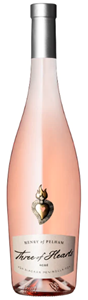
Henry of Pelham Three of Hearts Rosé
Niagara Peninsula, Ontario V.Q.A., Canada
This is the Henry of Pelham Three of Hearts Rosé, made sustainably made by the three Speck brothers.
Lake Ontario’s moderating effect means a long, gradual ripening season, so the fruit develops beautifully while keeping its freshness. That’s why it has such a light, refined colour and crisp finish.
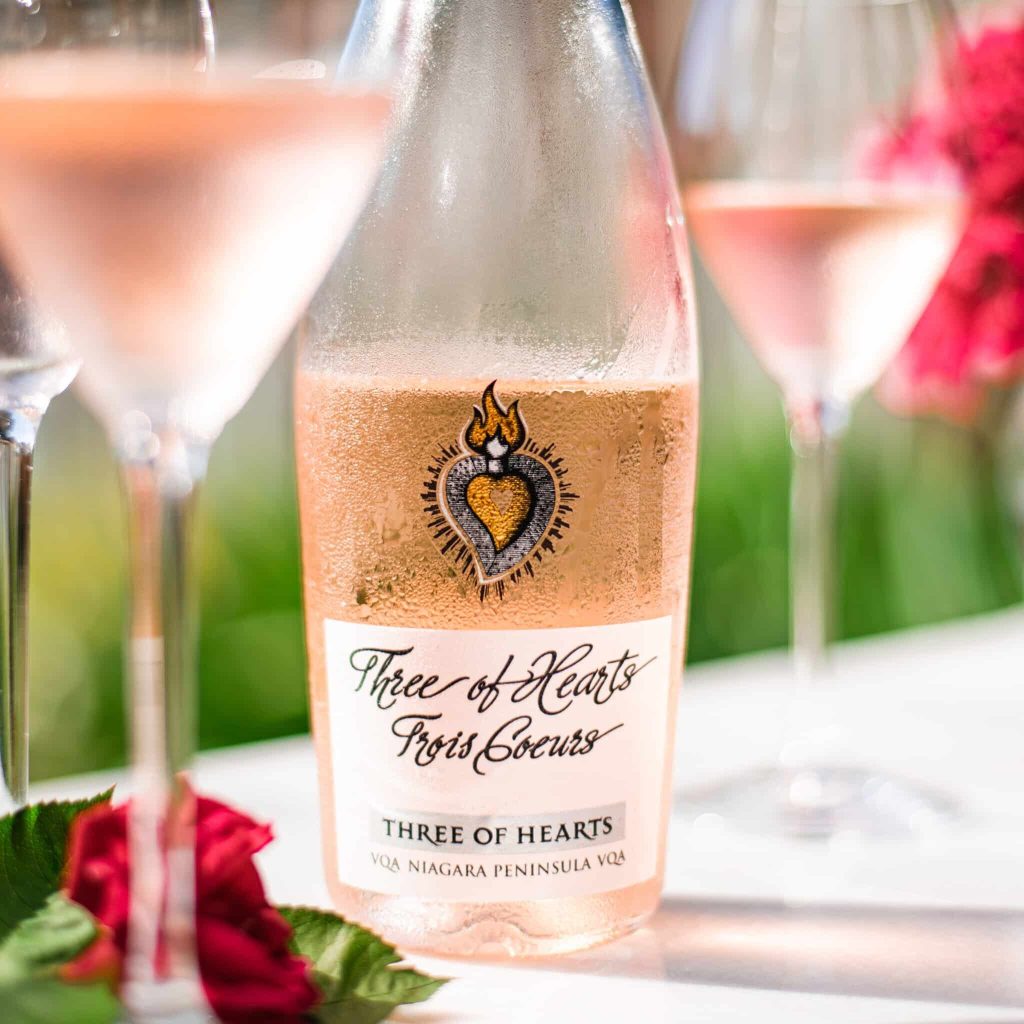
On the nose it offers white peach and strawberry.
At just under $20, this is a steal for a wine that just earned 94 points from the Global Fine Wine Challenge.
I have ordered pizza specifically because of this wine. Wouldn’t it also be great on the patio with mushroom bruschetta or grilled peaches and brie?
What’s different about the landscape with this one?
The limestone and clay soils of the Niagara Escarpment were once the bottom of an ancient glacial lake. They limit grapevine yields, which gives the fruit beautiful concentration of flavour yet only a delicate, pale pink colour. The landscape is tailor-made for elegant rosé.
Wildlife corridors are preserved through the vineyards here, so you’re drinking something that comes from a landscape that’s cared for like a garden.
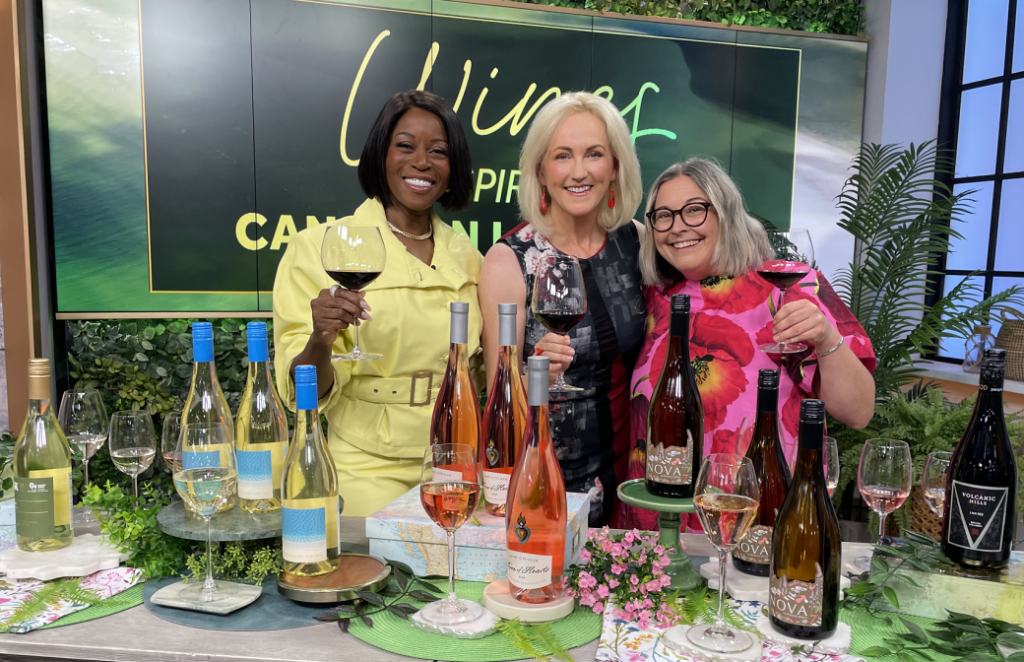
Our next stop is Nova Scotia and you’ve brought Benjamin Bridge Nova 7 for us. Tell us about this wine.
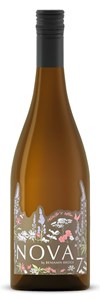
Benjamin Bridge Nova 7
Gaspereau Valley, Nova Scotia, Canada
The first release of this wine in 2007 sold out in a matter of hours. That’s not a launch, that’s a province-wide cèilidh, or kitchen party as my NS relatives call it in Gaelic. They now make more of Nova 7 so that it’s available year-round and across the country.
The winemaker uses indigenous, wild yeast rather than commercial strains. This translates the vineyard’s distinct ecosystem into the bottle.
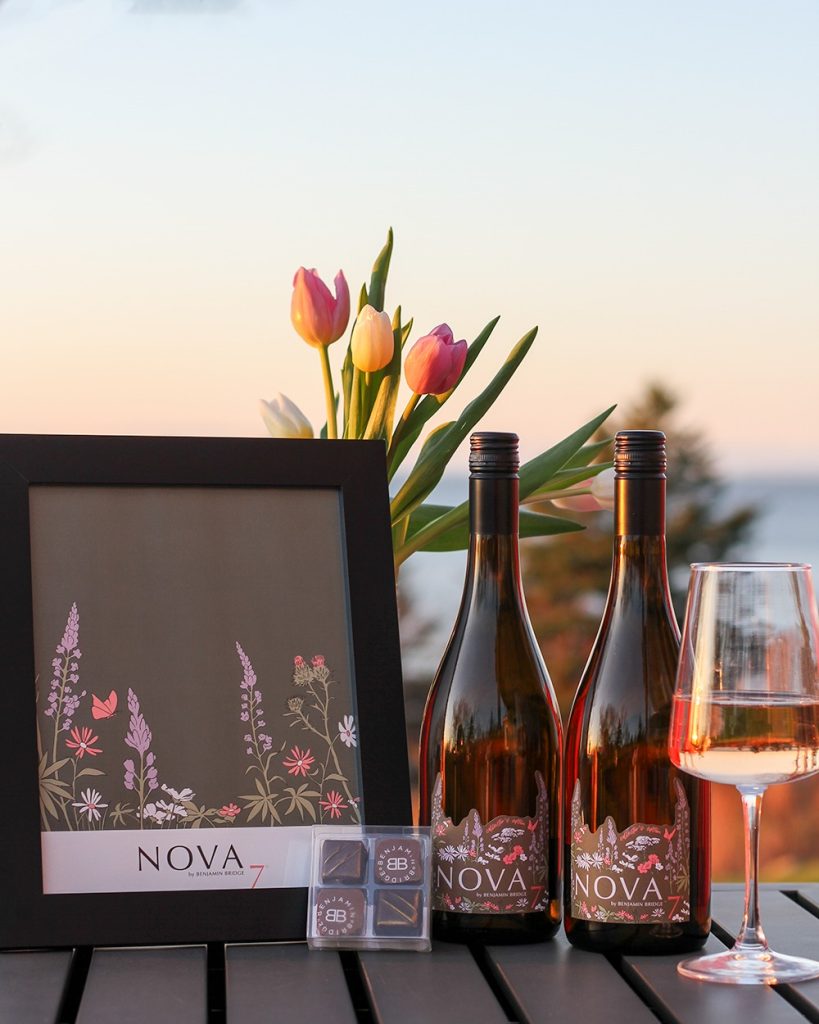
It’s under $26 for Nova Scotia’s best-selling wine. Yes, please!
Wouldn’t this be spectacular with pan-seared scallops or spicy cuisine?
How do Nova Scotia’s coastal influences shape the vineyards and the wines produced here?
Nova Scotia’s Atlantic coastline is cool, crisp and dramatic, just like its wines. The Gaspereau Valley sits inland protected from the ocean and close to Bay of Fundy, which has highest tides in the world.
The sheer volume of water moving in and out of the bay could fill the Grand Canyon twice a day. That volume of water at 100+ billion tonnes actually bends the earth’s crust.
This massive movement of air regulates vineyard temperatures by acting as a natural air conditioner in the summer and a thermal heater in the winter, extending the growing season.
The cool Atlantic climate slows ripening naturally, which preserves that delicate orange blossom aroma and keeps the effervescence gentle in this wine.
We’re ending with a red you selected to showcase British Columbia.
Volcanic Hills Lava Red
Okanagan Valley, British Columbia, Canada
We’re finishing with the gorgeous Volcanic Hills Lava Red!
Part of the landscape is the human terroir. Three generations have honed their expertise on this vineyard to create a wine that expresses both the land and their perseverance.
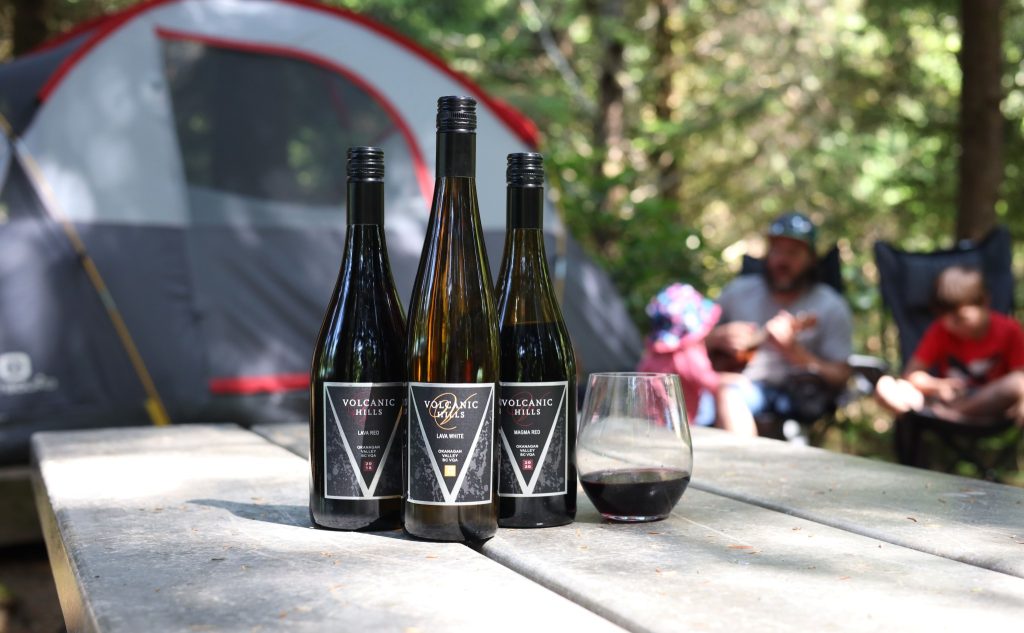
The Volcanic Hills Lava Red has aromas of ripe dark plum and baking spice. It’s finished with a splash of icewine from grapes harvested frozen in the depths of winter. That’s a fine wine flex that’s 100% Canadian.
At $30, you’re getting a premium-production wine with smooth tannins, a long finish, and a total crowd-pleaser.
Wouldn’t it be incredible with a pepperoni pizza with hot honey?
BC has some dramatically different wine-growing regions from the rest of the country. What are some of the definitive features of the landscape there?
The Okanagan Valley is one of Canada’s warmest and driest wine regions, surrounded by lakes, forests and Mount Boucherie, an extinct volcano that has shaped West Kelowna for millions of years.
These ancient volcanic soils drain water quickly, so the vines work harder here for water and nutrients. That concentrates their fruit flavour.
The Okanagan’s extreme day-to-night temperature swings ensure the grapes develop a perfect balance between ripe fruit and refreshing acidity.
It also has the most summer daylight hours of any wine region in the world creates rich, balanced reds.
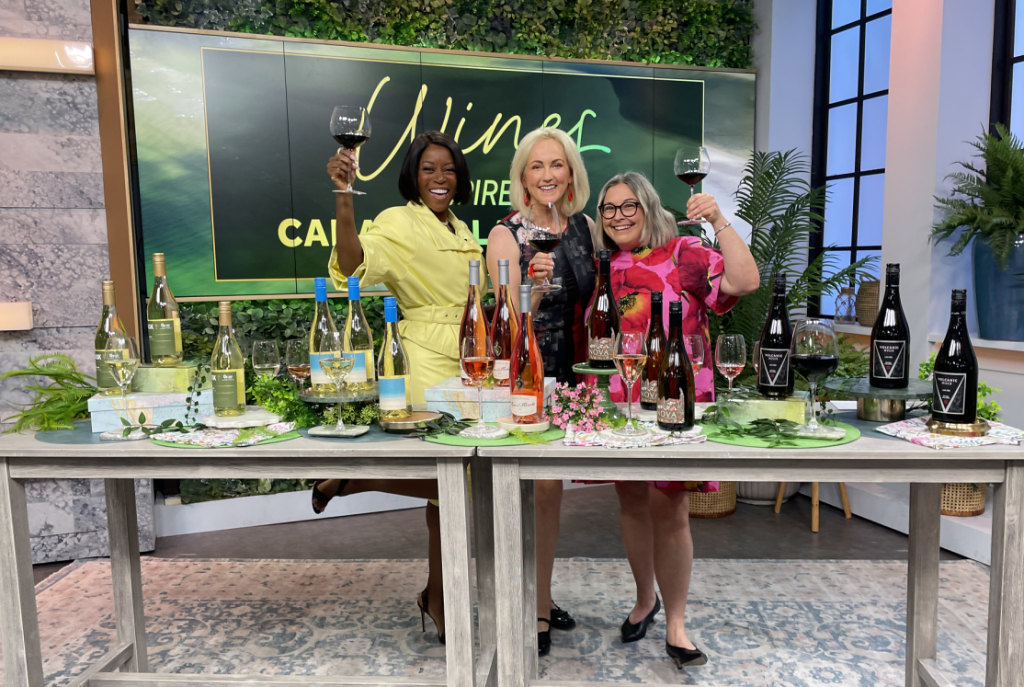
Natalie, thank you for sharing these great homegrown wines ahead of Canada Day! Cheers!
Posted with permission of The Social. Please drink responsibly.