The World Cup kicked off this week, and with 48 nations competing, every match is a reason to celebrate. We’re raising a glass for every goal and pairing the world’s most iconic drinks with the teams that love them. We’re going on a global tasting tour, no passport required.
Who better to help us than our favourite drinks expert Natalie MacLean, editor of Canada’s largest drinks review site at nataliemaclean.com. Welcome, Natalie!
Great to be back with you! I’ve been warming up for this segment beside the bench, so let’s play ball!
You’re right that with 48 nations in the tournament; every match is a drinking occasion. The best part? These drinks carry just as much identity and pride as the teams themselves. Argentina drinks Malbec the way Canadians drink beer at a hockey game.
Brazil’s caipirinha is practically in the national anthem. Scotland’s single malt is a point of national honour. And Canada? We bring it all to the table and to the pitch.
Let’s start with Canada, since we’re the hosts. What are we raising a glass to?
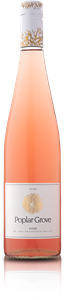
Poplar Grove Rosé
Okanagan Valley, British Columbia
Canada has so much to celebrate in this tournament, and the Okanagan Valley is bringing the party. Poplar Grove Winery just released their 2025 Rosé, and it’s an amazing comeback story.
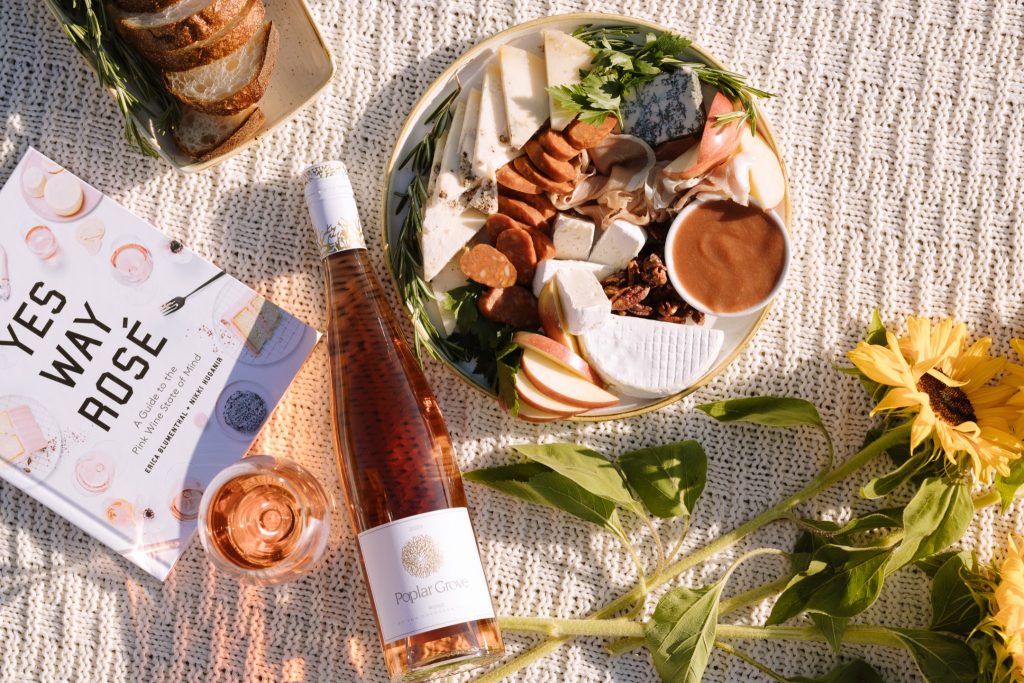
The 2024 freeze devastated vineyards across BC. This rosé just took Best in Category and Double Gold at the Pacific Rim International Wine Competition.
That’s not just a comeback. That’s a triumphal return after you’ve been benched with multiple injuries for a year and then score a hat trick in your first match.
And before anyone asks — yes, real men drink pink. Did you notice the colour of the Canadian men’s soccer team sneakers? Pure pink!
Feel free to try the Poplar Grove Rosé.
This is a dry, premium rosé. There’s lovely wild strawberry, pink grapefruit, and watermelon aromas with a squeeze of citrus zest on the finish.
It’s crisp, it’s elegant, and it’s the kind of wine that makes a sunny patio feel like a stadium celebration. Wouldn’t this be ideal alongside fresh seafood or a simple summer salad?
More Pairings
- Okanagan comeback prawns: plump, grilled prawns kissed with lemon, crushed garlic, and fresh herbs, served hot off the grill with a cool wedge of lime — the brightness of the citrus echoes the wine’s grapefruit zing and clean finish.
- Watermelon and feta pitch-side salad: ripe watermelon, chilled and cubed, with crumbled salty feta, torn mint, thin-sliced cucumber, and a drizzle of olive oil — light, cool, and refreshing against the wine’s strawberry fruit and mouthwatering acidity.
That’s gorgeous. Next up is Poland. What are we drinking?
Chopin Potato Vodka
Krzesk, Poland
Poland gave the world Chopin: the composer and the vodka. The maestro wrote Études. The vodka makes you feel like you’re playing one on your taste buds.
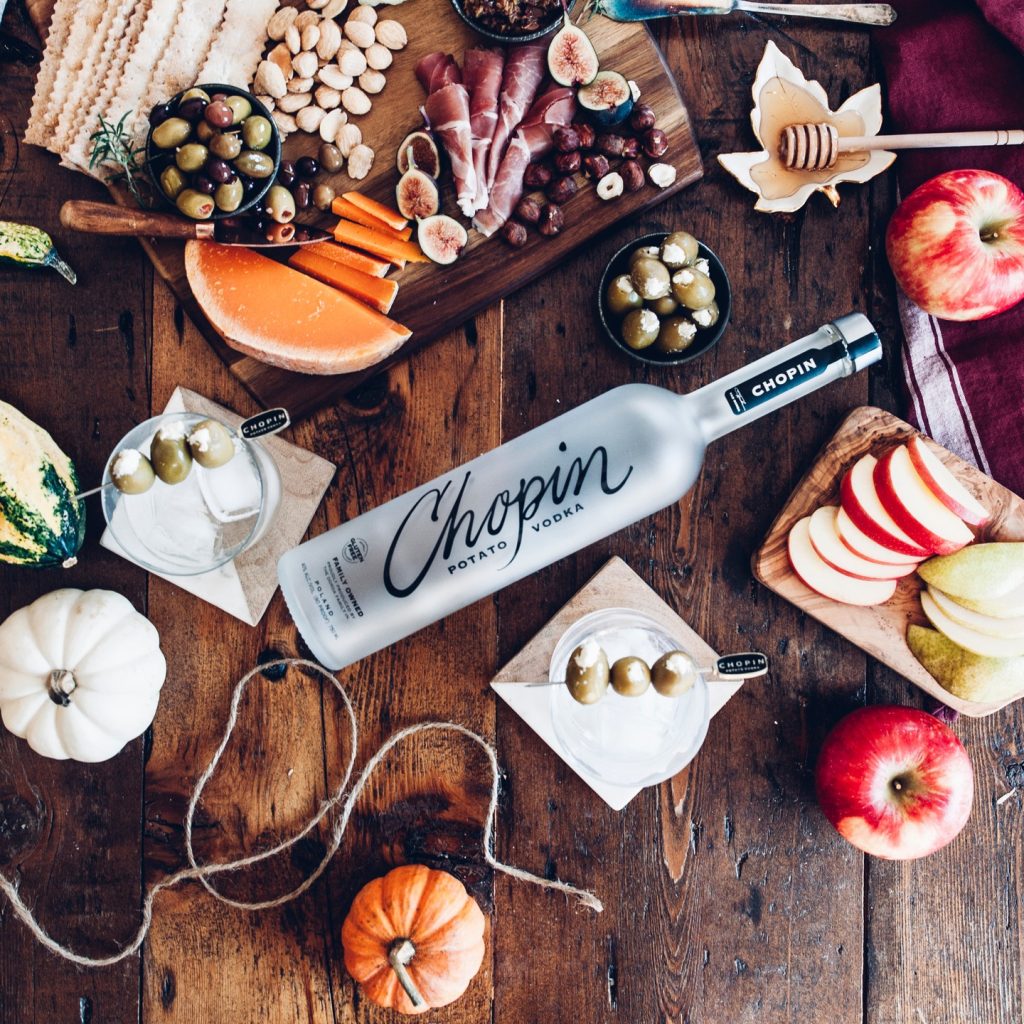
Chopin Vodka was founded in 1993, creating the world’s first super-premium vodka.
What makes Chopin extraordinary is that it’s Poland’s last family-owned vodka brand. Their estate covers 17 acres near a small hamlet in eastern Poland, and every ingredient is grown within 20 miles.
The water comes straight from an artesian spring beneath their own grounds. Three kilograms of potatoes go into every single bottle. You gotta respect the heights a potato can scale with the right coaching.
Feel free to try the Chopin Potato Vodka.
Potato vodka has a reputation for being heavy, but Chopin rewrites that story entirely. It’s creamy and full-bodied with delicate notes of green apple and a whisper of vanilla on the finish.
Smooth enough to sip neat and complex enough to make you stop and think. It’s the vodka equivalent of a calm midfielder who sees the whole pitch while the rest of us are still looking for the remote.
Wouldn’t this be stunning over ice with a plate of smoked salmon blinis?
More Pairings
- Polish goal celebration pierogies: golden-fried dumplings stuffed with buttery mashed potato and sharp cheddar, served piping hot with a dollop of sour cream and a scatter of crispy caramelized onions — the richness of the filling mirrors the vodka’s creamy, full-bodied warmth.
- Chilled Baltic herring crostini: cool, lightly pickled herring draped over toasted dark rye, finished with a curl of fresh dill and a thin slice of tart green apple — the apple note in the herring sings right back to the vodka’s subtle fruit character.
Scotland is also in the tournament. I imagine they brought something serious?
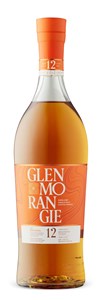
Glenmorangie Original 12 Year Old
Highlands, Scotland
Scotland has been making whisky for centuries, and Glenmorangie has been doing it since 1843.
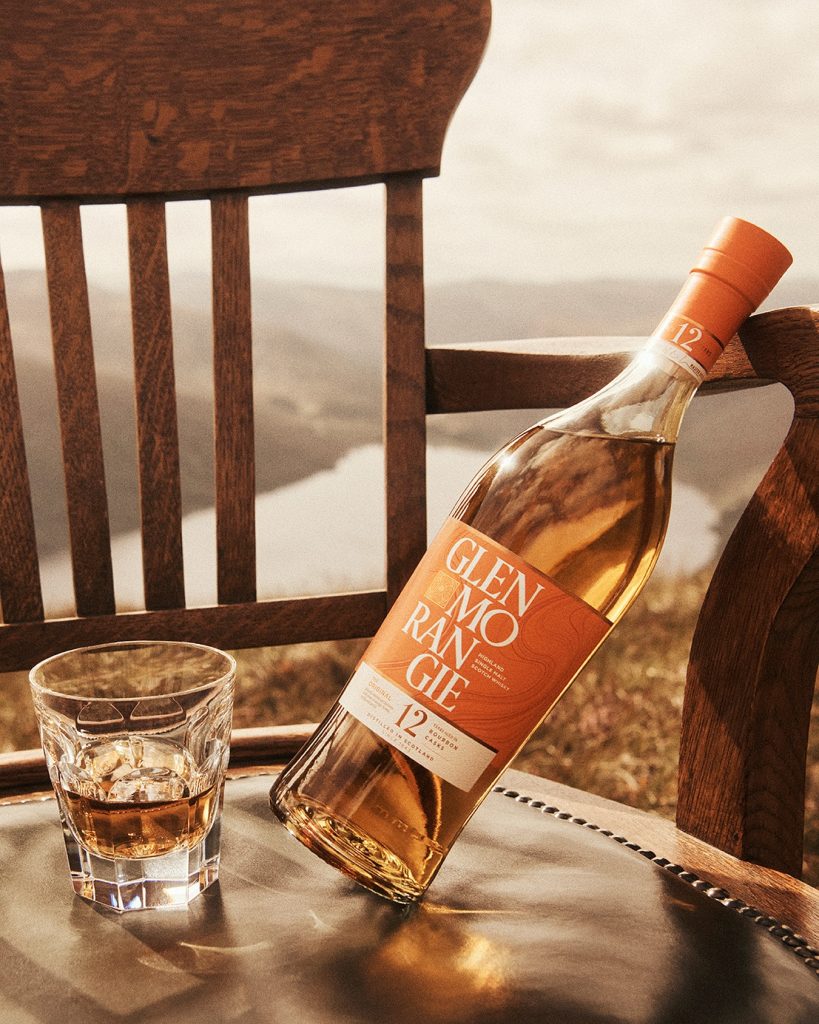
The distillery sits in the Scottish Highlands, and they have the tallest stills in Scotland, roughly the height of an adult giraffe – that’s 19 feet by the way.
When your stills are that tall, only the lightest, most elegant vapours make it to the top. Now that’s a perfect blend of engineering elegance and dinner party trivia.
The genius behind this bottle is Dr. Bill Lumsden, Glenmorangie’s Director of Whisky Creation.
He first tasted Glenmorangie while studying for his PhD in yeast science, fell in love with it, and helped shape the distillery’s modern direction.
He’s been named Master Distiller of the Year four times in the International Whisky Competition.
In 2024, Glenmorangie added an extra two years of aging to this expression, bringing it to 12 years and deepening the complexity beautifully.
Feel free to try the Glenmorangie Original 12 Year Old.
Twelve years in former bourbon barrels give this whisky sun-ripened citrus, creamy vanilla, and honey on the nose, followed by layers of ripe peach, mandarin orange, and gentle spice on the palate.
The finish is long and elegant with lingering fruit and a whisper of almond.
It’s silky, medium-bodied, and welcoming enough for newcomers while rewarding enough for seasoned Scotch lovers. It took Gold at both the World Whiskies Awards and the San Francisco World Spirits Competition, which is like winning the World Cup of Whisky.
Wouldn’t this be wonderful alongside seared duck with a citrus glaze?
More Pairings
- Giraffe-height ginger shortbread: buttery, crumbling Scottish shortbread with a warm hit of crystallized ginger baked through, served warm from the oven — the vanilla sweetness in the whisky wraps around the buttery richness while the ginger bridges the spice note on the finish.
- Roasted pear and aged cheddar crostini: sliced pears roasted until golden and caramelized, laid over toasted sourdough with a generous shard of two-year cheddar — the salty-sweet contrast keeps the palate intrigued and mirrors the whisky’s fruit and creamy depth.
What’s our next drink?

Tanduay Especia Spiced Rum
Philippines
The Philippines is proudly represented here by Tanduay (Tan-DOO-eye) Especia Spiced Rum. Tanduay was founded in 1854, which makes it one of the oldest rum producers in the world.
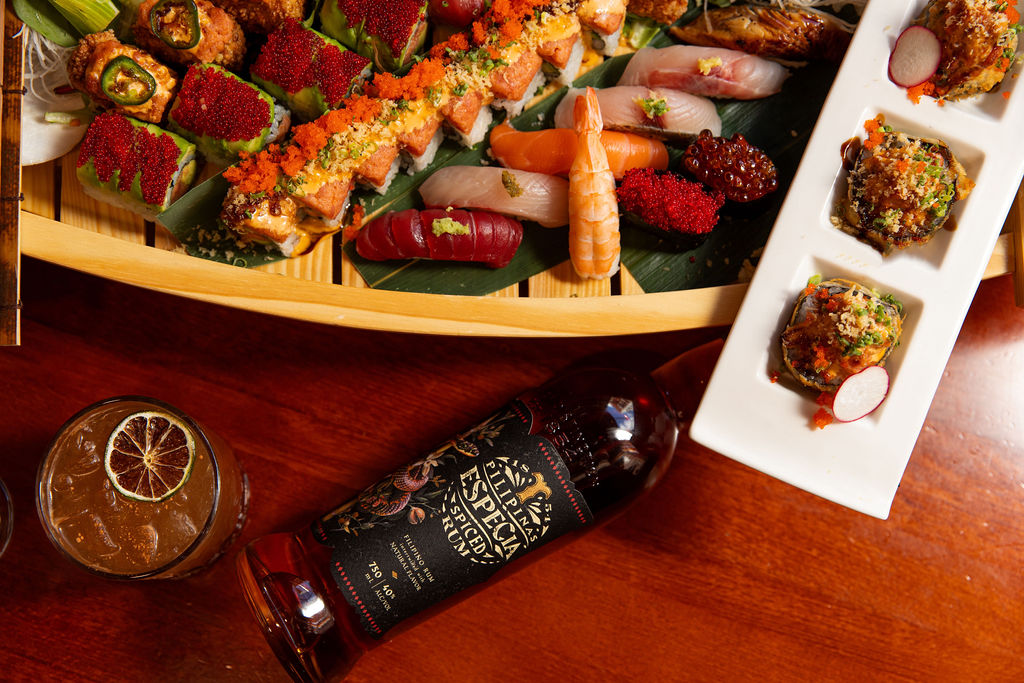
And June is Philippine Heritage Month, so the timing couldn’t be better.
This rum is crafted from a blend aged up to seven years in former bourbon barrels, and the spice profile reflects the Philippines’ rich tradition of tropical spices and sugarcane cultivation.
This is not your standard Caribbean spiced rum. Tanduay brings an entirely different cultural perspective: Asian heritage, Filipino craftsmanship, and warm climate agriculture.
Feel free to try the Tanduay Especia Spiced Rum.
The nose is inviting with vanilla, caramel, cinnamon. On the palate, warm baking spices layer over honey, soft tropical fruit, and a touch of oak.
The finish is long and gently warming. Best over ice, which opens the spice notes beautifully.
Wouldn’t this rum be gorgeous with grilled barbecue ribs or chicken skewers to complement the rum’s warm spice and caramel tones? Or even grilled pineapple or mango to enhances the tropical fruit notes in the rum!
More Pairings
- Philippine Heritage caramel butter tarts: flaky pastry shells filled with a warm, gooey caramel centre spiked with a splash of Especia — straight from the oven, golden and bubbling, with the rum’s vanilla and spice amplifying every sticky, sweet bite.
- World Cup grilled mango skewers: ripe, fragrant Ataulfo mango halves grilled over charcoal until lightly charred and caramelized, finished with a sprinkle of chili flakes and a squeeze of lime — the tropical sweetness of the mango and the gentle heat echo the rum’s warm spice and fruit notes perfectly.
And we’re coming home again to Canada for the wrap up?
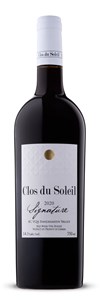
Clos du Soleil Signature
Similkameen Valley, British Columbia
We’re toasting the playoffs as I’m confident Canada can make it there just as we make world-class wines here on home soil.
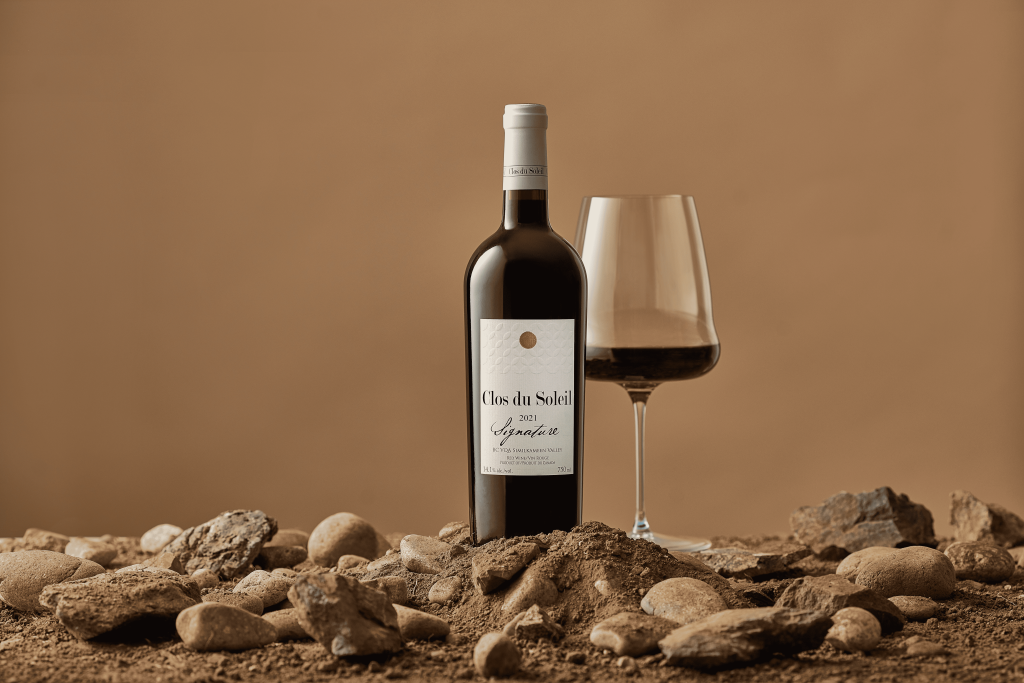
Clos du Soleil Signature from BC’s Similkameen Valley is a Bordeaux-style blend of Merlot, Cabernet Sauvignon, Cabernet Franc, Malbec, and Petit Verdot.
That’s a five-player formation with structure, depth, power, finesse and a head coach who knows what’s he doing.
Since 2026 is the winery’s 20th anniversary, winemaker Mike Clark is celebrating with a wine built to last decades. He uses entirely wild, spontaneous fermentation, which means the wine is shaped by the natural microflora of the vineyard itself.
The vines are organic and biodynamic. Every vintage tells the story of the Similkameen in a specific year. This wine took Double Gold at the SIP Best of the Northwest Wine Competition, which is, of course, like winning the World Cup of Wine.
Feel free to try the Clos du Soleil Signature.
Decant this one for an hour before drinking as this wine has a pre-game routine that’ll make it a great match for hearty foods. On the nose, pencil shavings, raspberry, cedar, and blackberry with pepper.
The palate is lush and structured, with soft tannins carrying layers of ripe raspberry, blackberry, pomegranate, fig, and baking spice.
The finish is long, mineral, and gorgeous with wet stones and graphite pulling it all together. This is a wine built for a long table, a long conversation, and a match that goes to extra time. Wouldn’t this be stunning with herb-crusted rack of lamb?
More Pairings
- Similkameen anniversary beef Wellington: centre-cut beef tenderloin wrapped in a mushroom duxelles and golden puff pastry, roasted until the crust shatters and the inside blushes pink — the earthy umami depth of the mushroom and the richness of the beef draw out the wine’s black fruit, cedar, and mineral finish.
- Wild fermentation mushroom risotto: creamy Arborio rice stirred slowly with dried porcini and fresh thyme, finished with aged Parmigiano-Reggiano and a drizzle of truffle oil — the earthy intensity of the mushroom mirrors the wine’s graphite-flecked minerality and its wild, spontaneous character.
Natalie, these suggestions are fantastic! Any final words of wisdom for our viewers?
Here’s to the home teams, the home bars and the bottles that remind us that national pride has a flavour.
Posted with permission of CP24 Breakfast Show. Please drink responsibly.