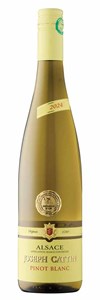
Moet and Chandon Dom Perignon Champagne 2006


Moet and Chandon Dom Perignon Champagne 2006
  A.C., France
Product #: 280461
Score: 94/100
Price: $219.95
Alcohol: 12%
Sweetness: Dry
Drink: Now
Bottle size: 750 ml
Winery: Moet and Chandon


Note: I publish batches of reviews that I call Good Values Wine Picks. These are from the regular section of the liquor store rather than the Vintages section, and tend to be lower priced and the most widely available of all wines. The last four reviews I did were: April 12, March 1, January 3 and July 6.

Tasting note:

VC: Purported to be the father of all Champagne, Dom Pérignon continues to impress generation after generation. This ultimate anniversary or birthday celebration bubbly is only made in the greatest years. Loaded with stylish aromas of citrus, artisanal bread, green apple, mineral and pear, this is quite dry and vibrantly refreshing on the palate. Expect to be impressed. My note: One of the kings of the Champagne category, this bubbly is a great choice for big celebrations and milestones. Robust and deep with enticing notes of brioche, ripe pear and hazelnut. This wine is part of the Vintages Essentials Collection. Food matches: caviar, oysters, mussels.


Reviewed April 21, 2009 by

Serve this wine between 45-50 degrees Farenheit or 6-10 degrees Celsius. Tip: If your bottle is at room temperature, put it in ice water for about 30 minutes or in the fridge for about three hours to chill it.

Complementary recipes:


More pairings:

Asian Dishes, blue: paradise, brie, broccoli mornay, canapés, caviar, chicken club sandwich, chocolate: white, crab, deep fried food, fish: white-fleshed, French toast & raspberries, lobster, lobster newberg, nachos, Neufchatel, onion rings, pasta with butter-based sauce, pasta with cheese-based sauce, Petit Morin, pizza: white, ribollita, sashimi, scallops with rich sauces, seafood, shrimp, clams, oysters: fried, shrimp: coconut: Thai, spinach souffle, sushi, swiss: baby, Vieux Lille. More pairings...

Champagne

The sparkling wine Champagne is named after the northern region of France where it’s produced. Other regions of France, as well as other countries, make sparkling wine, but only those from Champagne may be called Champagne.

Supposedly the eighteenth-century blind Benedictine monk, Dom Pérignon, accidentally discovered how to put the bubbles in Champagne when his wines started fermenting again in the spring after the cold winter had stopped them. Other records attribute this discovery to the British scientist Christopher Merret thirty years before Pérignon. Pérignon is credited widely with improving the techniques of blending wines from different years as well as the three principle grapes used: the white grape Chardonnay and two red grapes, Pinot Noir and Pinot Meunier.

The process today still involves a first fermentation to make the still, acidic wine. Then, before bottling, a small amount of wine, sugar and yeast is added (“liqueur de triage”) to trigger a second fermentation in the bottle, where the carbon dioxide bubbles are trapped.

The bottle is gradually tilted upside down (riddling), by hand or machine, and eventually the dead yeast cells gather in the neck and are disgorged so that the wine is clear. Before the final cork seal is affixed, the wine is topped up with a small amount of wine and sugar (liqueur d'expédition). The amount of sugar determines whether the bubbly will be Brut (very dry), Sec (off-dry) or Demi-Sec (medium-sweet).

Rosé bubbly is made either by blending red and white wine or by limiting the skin contact of the red grapes during maceration, when the grapes soak in their own juice before fermentation. Blanc de blancs Champagne is made only from Chardonnay while blanc de noirs is only from Pinot Noir and Pinot Meunier. The grapes for vintage Champagne that show a year on the label were harvested from one year only, while non-vintage Champagne are grapes and wines blended from many years. While Vintage Champagnes age well, non-vintage bubblies are meant to be consumed within a year or two of purchase while they still have their fruit freshness.

Many producers outside of the Champagne region use this process and grapes to make their bubbly and often put méthode traditionnelle on their label. The words Champagne and méthode champenoise may not legally be used by producers except those from Champagne itself. Bubblies made in Burgundy, France, are called Crémants de Bourgogne while those from Alsace are Crémant d'Alsace. Spain makes Cavas (“cave”), Italy makes either Prosecco (lightly sparkling) or Spumante (fully sparkling and sweet), Germany makes Sekt or Deutscher and those from New World regions, such as Canada, California, Australia and elsewhere, are simply called sparkling wine.

Some bubblies outside of Champagne are made from a cheaper and quicker carbonation process, during which bubbles are injected into the tanks of fermenting wines. This method doesn’t create wines with the same refinement and nuance as the Champagne method. The bubbles tend to go flat quickly.

Drink bubbly from a flute glass that preserves its bubbles and concentrates its aromas. (Forget those old coupe glasses molded to the shape of Marie Antoinette’s breasts.) Signature bubbly aromas include toast, yeast, fresh-baked bread, green apple, lemon, lime and orange zest.

Sparkling wine is one of the most versatile wines with food because of its zesty fruit aromas, mouth-watering acidity and palate-cleaning bubbles. Pair dry styles with quiche, spring rolls, almonds, canapés, brioche bread, Brillat Savarin cheese, goat cheese, chicken with creamy sauces, fried chicken, chicken tika, sashimi, Thai coconut shrimp, pasta with cheese-based sauce, caviar, crab, shrimp, clams, oysters, lobster, halibut, swordfish, scallops, seafood risotto, tuna with rosemary & citrus, nachos, potato chips, pretzels, onion rings, scrambled eggs with truffle oil, avocado salad, guacamole, pâté, grilled cheese sandwich, macaroni and cheese, turkey, charcuterie, veal piccata, salad nicoise and vegetarian casseroles. Sweet bubbly (doux or spumante) goes well with curries, fruit flans, cobblers, biscotti, nuts, soft cheeses, Christmas pudding, lemon soufflé, mille feuilles, pavlova and tiramisu.


You get my Free Newsletter with articles and tips just for signing up below. But for $2.10/mth, the cost of an incredibly tiny coffee at Starbucks, your wine drinking pleasure will soar.

World's Best Wine Writer

Natalie who?
Yes, I'm a certified sommelier and was named the World's Best Wine Writer at the World Food Media Awards. Blah, blah, blah. What really matters is that I know which wines can increase your hedonistic happiness... a lot. Don't worry, spam doesn't pair well with wine!

Natalie Maclean

Already one of our thirsty clan? SIGN IN

Want the best wines for your taste and budget?

Try my premium service...

FREE FOR 30 DAYS


Natalie Maclean's Wine Subscription
welcome back!

Already one of our thirsty clan 137,774 strong? Sign in here:

Email:
Password:
  Remember Me
 

Already one of our thirsty clan? SIGN IN
 

You get my Free Newsletter with articles and tips just for signing up below. But for $2.10/mth, the cost of an incredibly tiny coffee at Starbucks, your wine drinking pleasure will soar.

World's Best Wine Writer

Natalie who?
Yes, I'm a certified sommelier and was named the World's Best Wine Writer at the World Food Media Awards. Blah, blah, blah. What really matters is that I know which wines can increase your hedonistic happiness... a lot. Don't worry, spam doesn't pair well with wine!

Natalie Maclean
You just clicked on paid content, but you can try it for one month free right now...

Want the best wines for your taste and budget?

Try my premium service...

FREE FOR 30 DAYS


Natalie Maclean's Wine Subscription